All Categories
Featured
Table of Contents
Armyworms are. There are several types of armyworms consisting of the fall armyworm, the yellow-striped armyworm, the beet armyworm, and the true armyworm.
It takes roughly 2 to 3 weeks for the armyworm to mature from egg to mature larvae. At this phase, the larvae will burrow in the soil to pupate and become an adult moth in 10 to 2 week. Armyworm moths fly and mate during the night.

In the Southeast United States, Fall Armyworms are considered a regular and major insect. Armyworms are caterpillar larvae of various moth species, many typically the fall armyworm (Spodoptera frugiperda). These insects are named "armyworms" since of their routine of moving in large, damaging groups throughout lawns and crops, like an army on the march.
Will Armyworms Kill Your Lawn Today?
While SodStar's blue-tag accreditation reduces the possibility of armyworms from existing in our farm-fresh sod, sod can still end up being infected post-installation. Here's a refresher on best practices in armyworm prevention and treatment.: Armyworms are green, brown, or black caterpillars, about 1 to 1.5 inches long, with stripes running down their bodies.
: Although fall armyworms do not have lots of specific preferences, newly-installed sod is more attractive and more vulnerable to damage. Armyworms hatch from eggs laid by moths on the lawn, plants or even trees and mailboxes close by.
Armyworms cross the turfgrass surface as a group, developing a noticeable line in between broken and intact turfgrass. Harmed areas will generally stem around a site where egg masses were laid and radiate outward. In lawns, these pests feed upon yard blades, leaving behind brown, dead patches, and can completely strip vegetation in a brief period.
Non-Toxic Pest Control for Dogs and Children
Armyworms are specifically bothersome in warm climates, and invasions can spread quickly. Once they invade, their feeding can damage big areas of lawns in a matter of days. This is why it's vital to act quickly to remove them and start lawn recovery. NC Grass Files has produced a new resource for turf supervisors and house owners to track the locations impacted by fall armyworms if you remain in an area that is especially affected by this bug however have not knowledgeable invasion yet, it is advised to take proper action.
Protecting Your Lawns Against Emerging 2026 Threats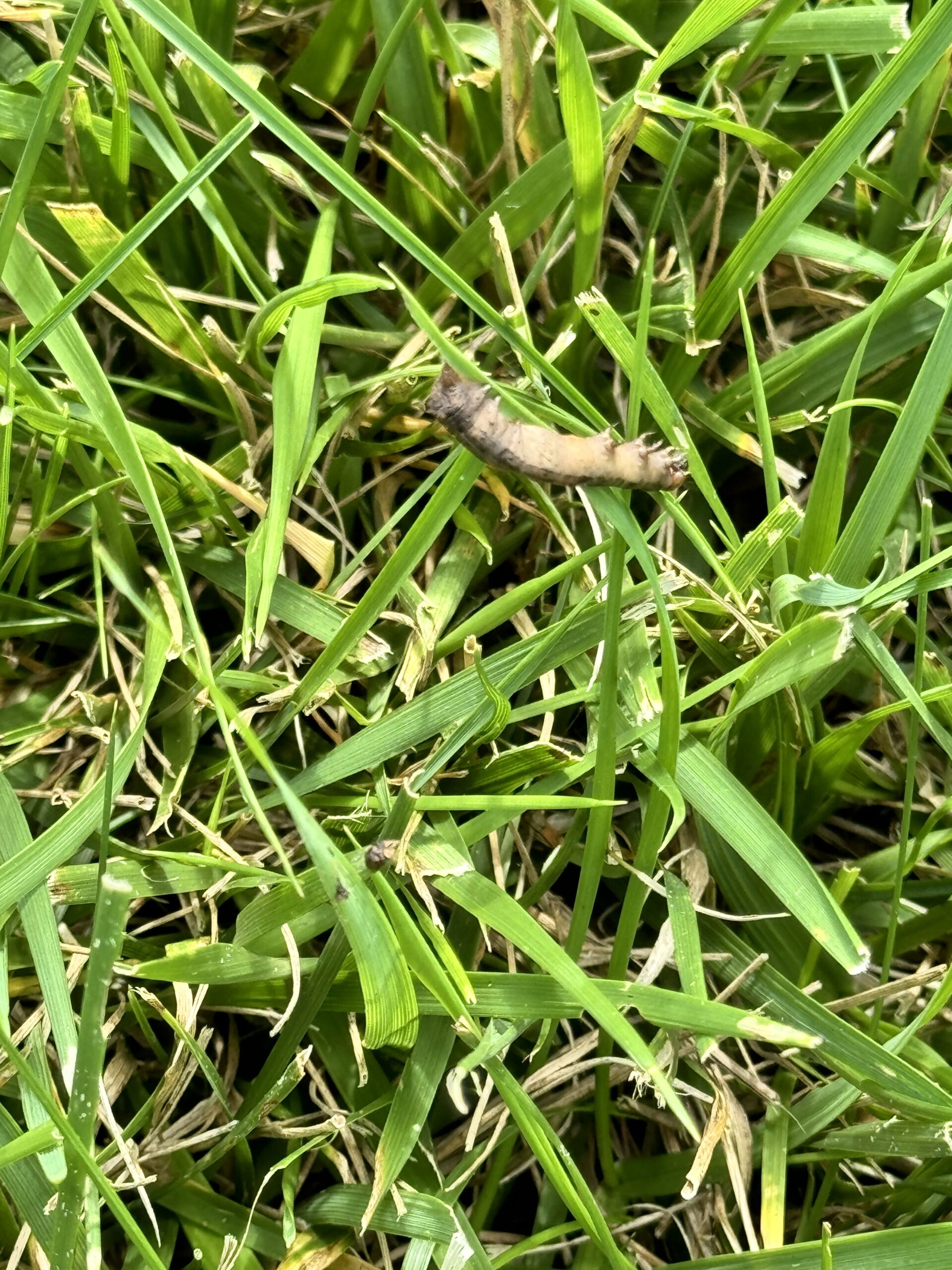
Utilize this interactive self-reporting map to report when and where fall armyworm activity and damage occurs across the region. Please use the instructions below to develop a pin on the map.
Protecting Your Lawns Against Emerging 2026 ThreatsThey can impact a variety of lawn types, but some turfs are more susceptible than others. Understanding how different grass ranges react to armyworm damage can assist you choose the right lawn care strategies and even select grass types that are more resistant versus damage. Zoysia yard is more resistant to fall armyworms.
: Extremely vulnerable to armyworm damage. Its thick development can draw in armyworms, and when they get into, they can quickly strip it down.: Bermuda turf is known for its strength, so even after an invasion, it can recover with correct treatment and care (aeration, irrigation and fertilizing): Highly vulnerable.
: It's a cool-season grass, which indicates it grows well in spring and fall, enabling it to recover successfully in the fall of the year if the problem occurs during warmer months of July or August. It will most likely require aeration, fertilization and re-seeding in the Fall especially on brand-new sod.
Recognising Common Signs of Turf Decay
Zoysia is less preferred by armyworms due to its harder, more fibrous nature.: While more resistant, if impacted, Zoysia lawn recovers gradually compared to other ranges due to its slower growth habit. It can need extra time to fill back in from an army worm infestation.: Scout your lawn routinely for early signs of armyworm problems, specifically in more susceptible lawn types.
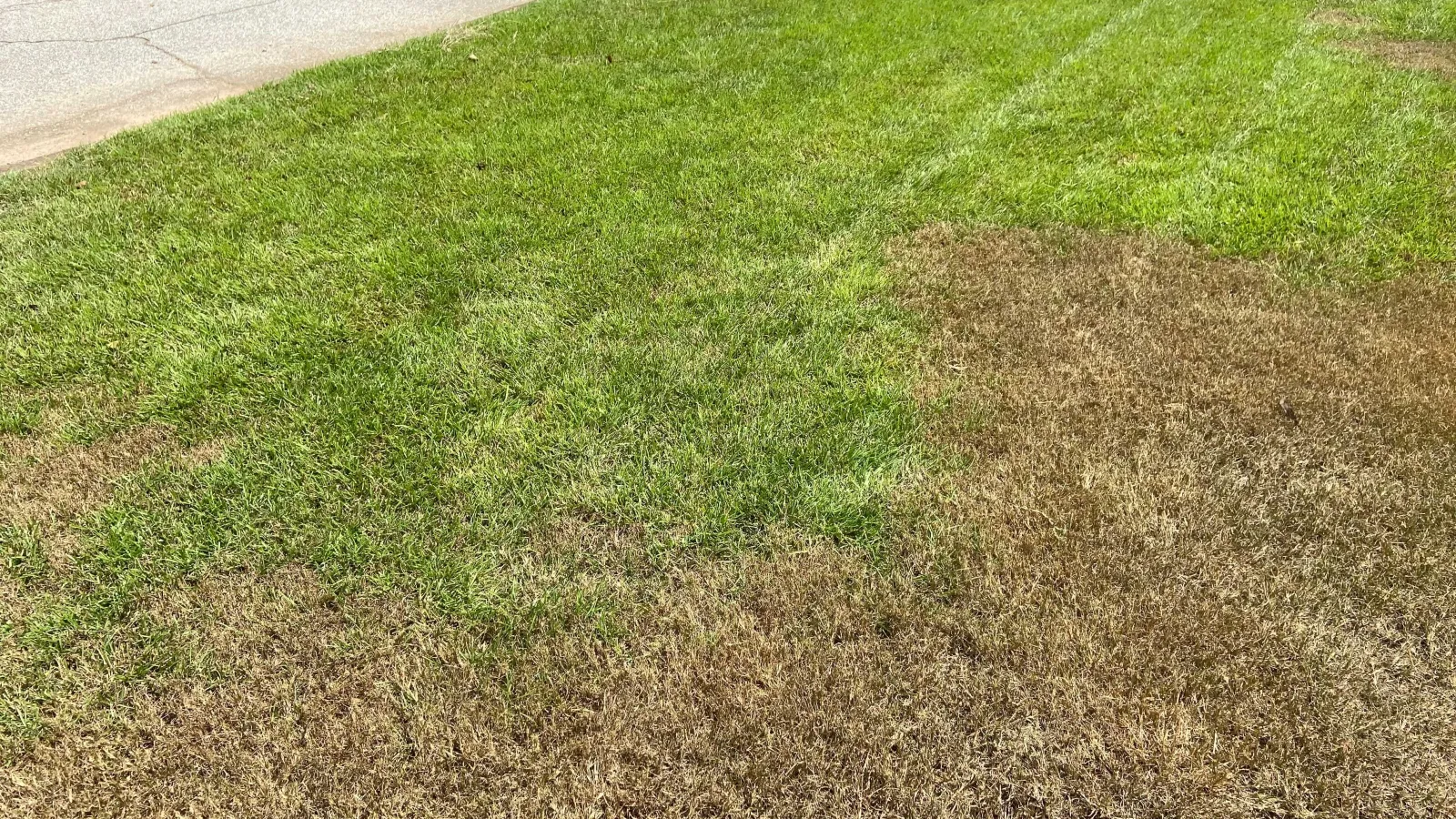
Is your yard suffering from armyworm infestation? If possible, mow and lightly water the grass prior to treating. Research has actually shown that insecticides are usually ineffective versus large larvae, so the size of the armyworm is very important to consider when selecting a treatment option. According to our buddies at N.C.Look for armyworms while the sun is down to see them while they're actively feeding on plants in your lawn. When inspecting for armyworms during the daytime hours, you will need to sort through the loose soil around your plants-- armyworm larvae will seek shelter there throughout the day, emerging to feed once again at night.

Latest Posts
How To Begin Your First Meeting With Amsterdam Dating Coaches
Lawn Blight Warning Signs and Quick Cures
Understanding the Signs of Diseases and Fungus