All Categories
Featured
When the bacteria are introduced into the soil, the nematodes multiply and spread out, searching down and infecting any pests they encounter. Nematodes are readily available in numerous mixtures that can be mixed with water and sprayed around the lawn and garden or used as a soil soak.
A Complete Guide to Integrated Pest Management for Homeowners
Rainy days are possible as nematodes thrive in wet soil. Otherwise, the soil must be soaked before usage. Vital oils are an eco-friendly option to harsh chemical pesticides. Many compounds, such as limonene, are poisonous to dogs and cats in high doses, their presence in numerous low-toxicity items is not likely to cause any unfavorable responses.

While typically safe, pet dogs may experience some negative effects if they are young or especially conscious necessary oils. Thankfully, the odor of many necessary oils can make pets unpleasant, so they are less most likely to be poisoned by inhaling or licking the vital oil. Pesticides are one of the most common reasons for poisoning in pets.
Pets and felines deal with different dangers when they ingest and breathe in toxic substances or absorb them through their skin. Pyrethrins/pyrethroids, carbamates, and organophosphates are the most common classes of pesticides your pet may be exposed to and can sometimes trigger severe poisoning, depending on the chemical and the amount your pup is exposed to.
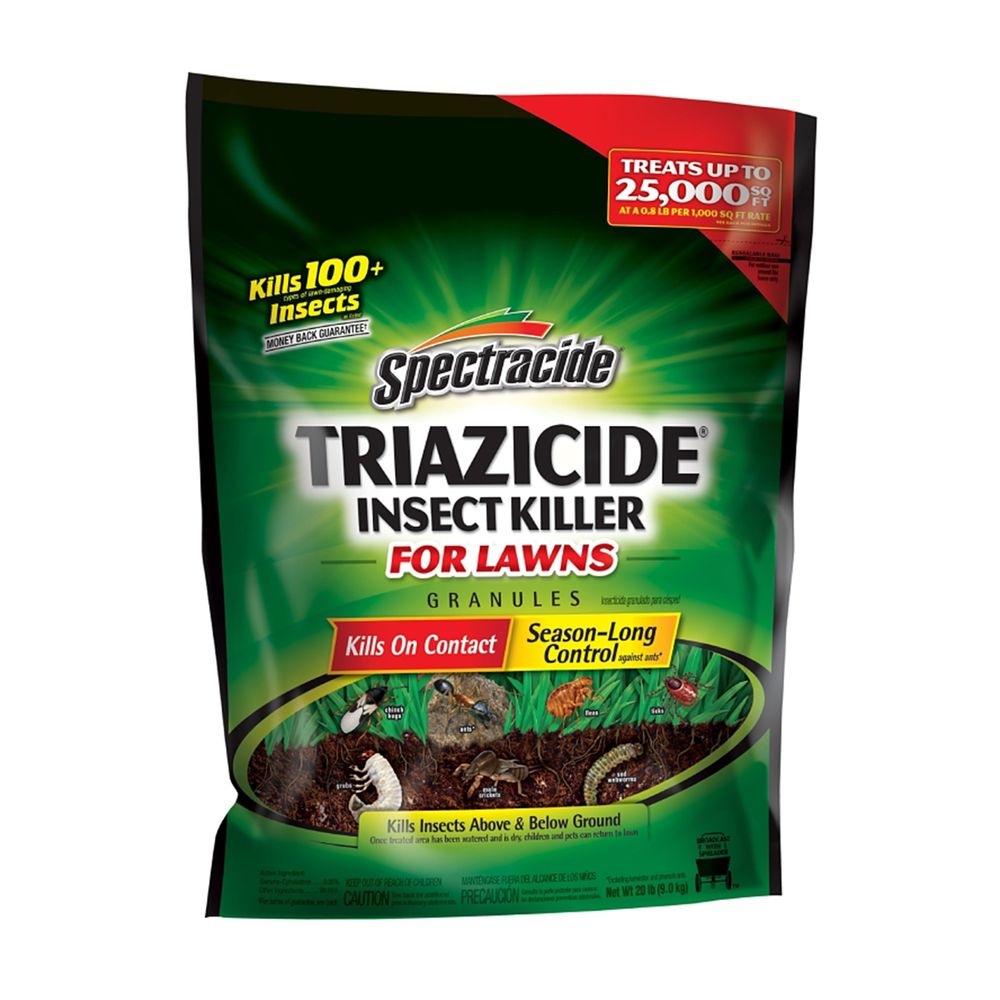
Top Disease Control Innovations for Garden Health
Flare-ups can lead to hypothermia, hyperthermia, trouble breathing, and seizures. If you think poisoning, it is incredibly important to look for instant veterinary care, as pet dogs can pass away from serious poisoning. The herbicide 2,4-dichlorophenoxyacetic acid has actually been linked to canine lymphoma. Typically speaking, pesticides and family pets do not mix, even when it pertains to pest control items that are safe for cats and dogs.

Latest Posts
How To Begin Your First Meeting With Amsterdam Dating Coaches
Lawn Blight Warning Signs and Quick Cures
Understanding the Signs of Diseases and Fungus