All Categories
Featured
Table of Contents
McCain: Ophiosphaerella korrae: bermudagrass, Seaside paspalum, zoysiagrass: circular locations of dead turf 612 inches in diameter appear in spring when development resumes; areas might coalesce to form large areas; generally affects turfgrass more than 2 years of ages: affects inactive plants; most serious when soil temperatures are < 65F; endures as sclerotia and in contaminated roots and stolons: get rid of dead lawn; fertilize in summer season to maintain vitality; do not overfertilize in late summer season; water suitable length of time: fungicides readily available but mostly avoided by cultural practices in California Summer season spot in turfgrass, brought on by Magnaporthe poae.
Effective Ways to Get Rid of Lawn Plants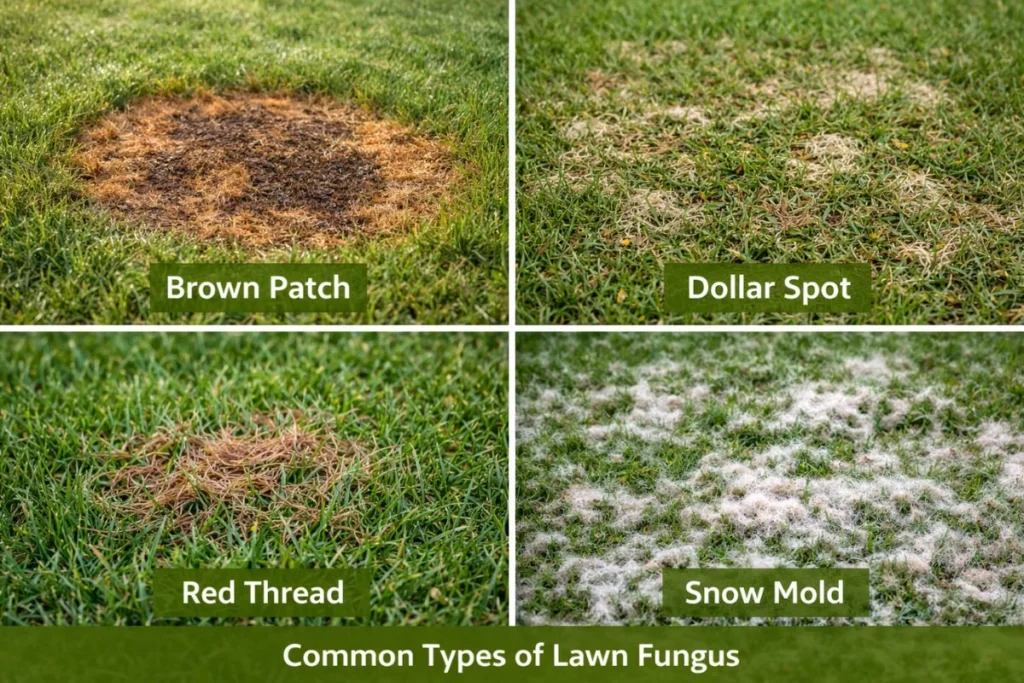
Nelson: Magnaporthe poae: bluegrasses, great fescues: circular, yellow or tan locations of dead and passing away plants as much as 1 foot in diameter; can have green, obviously healthy plants in center; roots, crowns, and stolons have dark brown fungal hyphae on them; vascular staining and cortical rot occur in later stages: heats (> 85) in late spring through the summer; most severe when turf is trimmed low or when soil wetness is excessive: aerate soil and apply slow-release nitrogen; improve drainage; lower compaction; water suitable length of time; don't mow too low; control thatch; reduce soil pH if greater than 7: systemic fungicides in fall normally necessary when illness has been severe For presently registered fungicides, see Pest Management Guidelines: Turfgrass.
There is nobody best turfgrass suitable for all yards. The kind of turf you pick for your yard should be compatible with your climate, expected usage and upkeep level, and aesthetic desires; it likewise ought to have some resistance to typical diseases. Cool-season yards (e.g., bluegrasses, fescues, ryegrasses, etc) perform finest at daytime temperature levels between 70 to 85F.
Often, illness most impact yards when they aren't vigorously growing. Cool-season lawn is more prone to illness problems during the summer season, while warm-season grasses are more prone to illness in late fall through early spring.
Effective Ways to Get Rid of Lawn PlantsSome types are more heat- or drought-tolerant than others. New and enhanced cultivars of lawn grasses using greater illness resistance, color, texture, density, and harmony have been established the previous a number of years. Contact a trustworthy nursery or the UC Cooperative Extension office in your county for specific recommendations. Also see the publication Turfgrass Selection for the Home Landscape noted in Recommendations.
Proven Ways to Eliminate Garden Weeds
Much of California has a Mediterranean climate identified by rains in winter season and spring and very little rain throughout summer season and fall. Throughout the state, yards require irrigation.
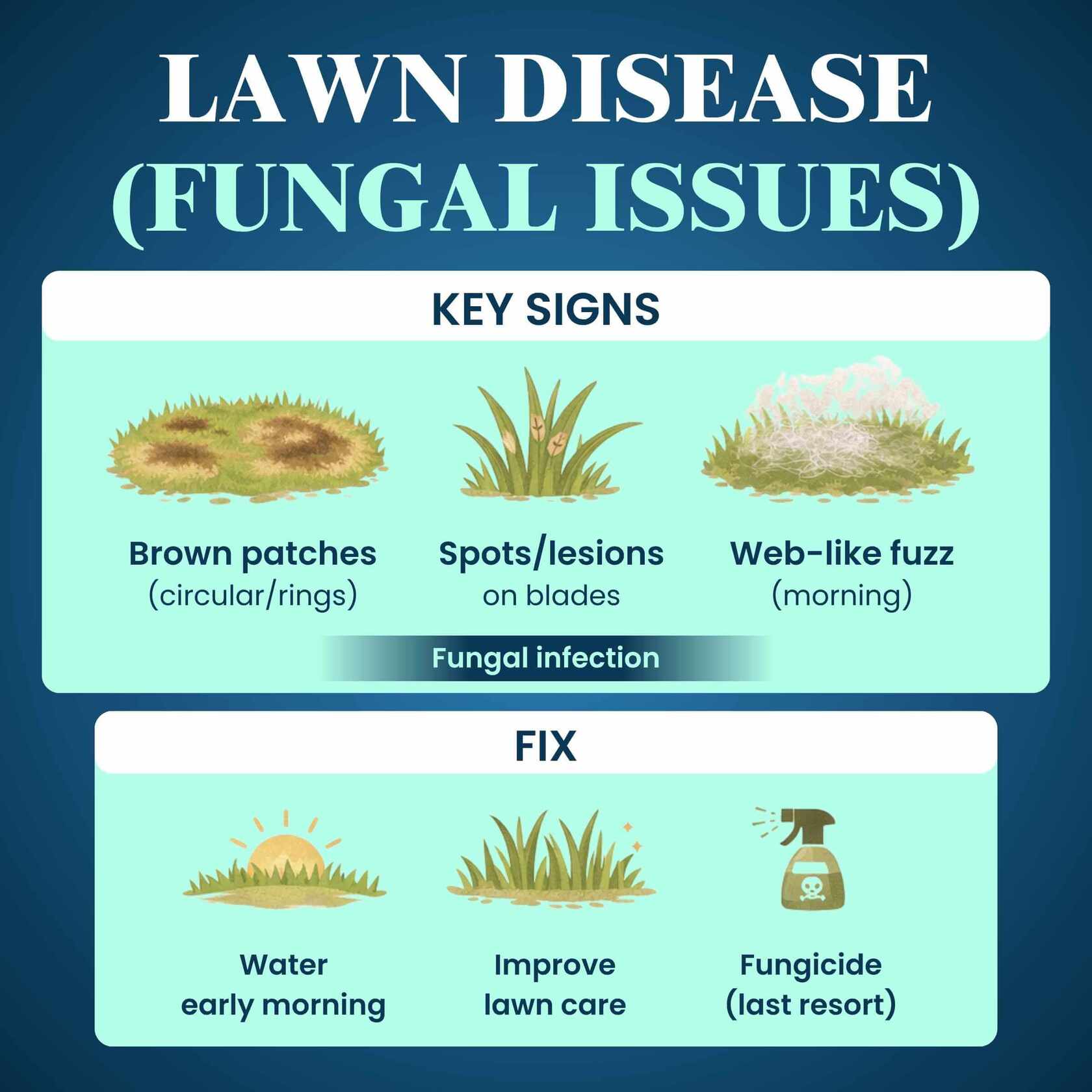
Using excessive or not sufficient water can result in unhealthy, slow-growing yard that is susceptible to pathogens. Waterlogged soils are improperly aerated, which limits root development, promotes some illness, and enables algae and moss to flourish. In general, a deeply watered lawn establishes a deeper and more substantial vertical root system, which offers it with greater dry spell and disease resistance than a shallowly watered lawn.
Warm-season turfgrasses are more drought-resistant than cool-season grasses and need about 20% less water. See Table 2 for information on how lots of minutes to water warm- and cool-season lawns weekly in various parts of California, based upon the output of the watering system or hose-end sprinkler. It is best to water the lawn completely at longer intervals, until runoff simply starts, rather than watering a little every day.
:max_bytes(150000):strip_icc()/Red-thread-grass-GettyImages-1460571632-d60fea1284514a5291fe559183816ef2.jpg)
Effective Methods to Eliminate Garden Weeds
For instance, if a lawn needs 40 minutes of irrigation weekly but runoff begins after 20 minutes, water twice a week for 20 minutes. In cases where soil uses up water so slowly that runoff takes place before 10 minutes, water biking is necessary. To cycle, irrigate till overflow just starts, turn the system off, and repeat the process in thirty minutes before the soil surface area dries out.
To figure out sprinkler output, conduct "catch can tests" by setting small, empty, straight-sided, equal-sized containers such as tuna or cat food cans on top of your yard every 10 to 15 feet between sprinkler heads operated by the exact same valve (Fig. 2) and run the system for 15 minutes. After 15 minutes, turn off the system and determine the amount of water in each can with a ruler to determine the typical quantity of water per can.

Latest Posts
How To Begin Your First Meeting With Amsterdam Dating Coaches
Lawn Blight Warning Signs and Quick Cures
Understanding the Signs of Diseases and Fungus