All Categories
Featured
UCANR Publication 8006. Harivandi A, VA Gibeault, MJ Henry, L Wu, PM Geisel, CL Unruh. UCANR Publication 8035.
Wong F, MA Harivandi. UCANR Publication 3365-T. (emeritus), UC Cooperative Extension Alameda County.
Keeping Kids Safe With Lawn Control
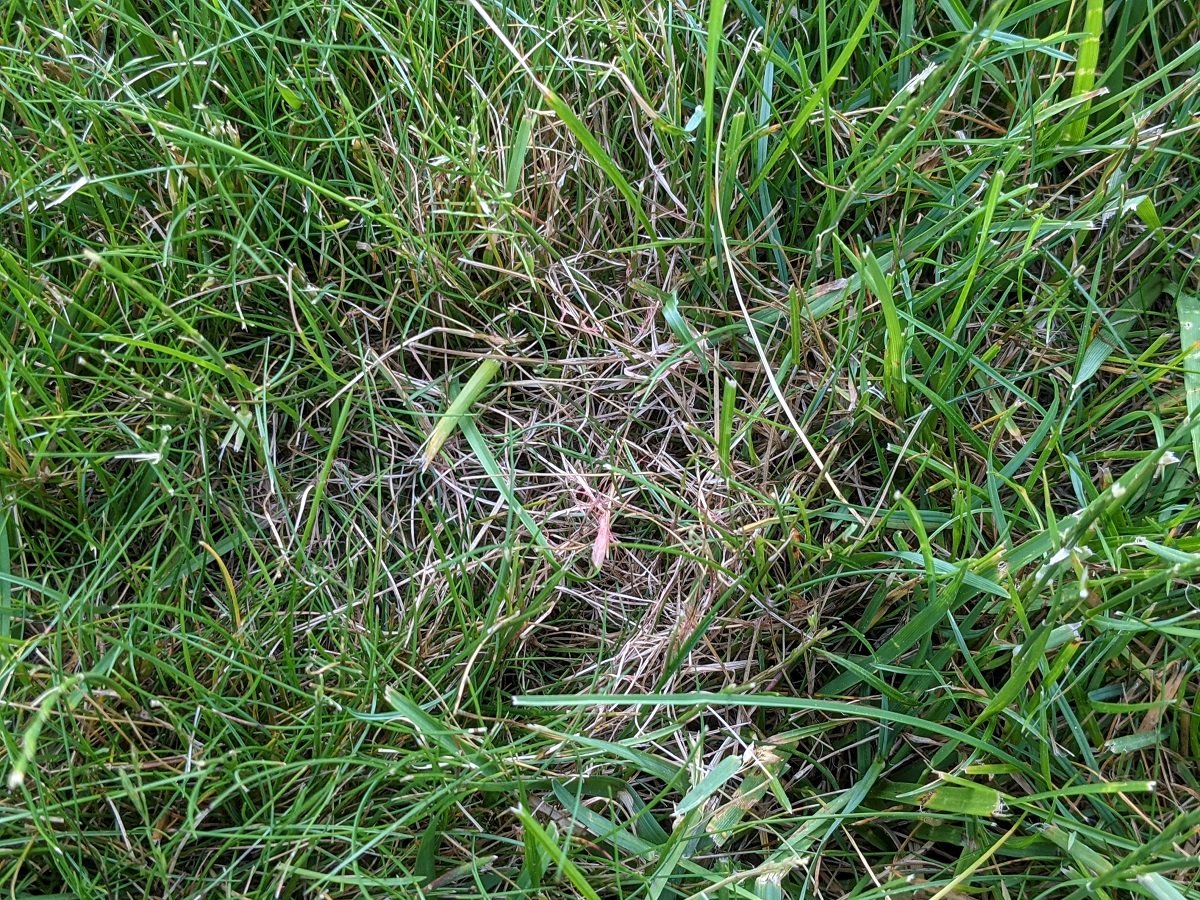
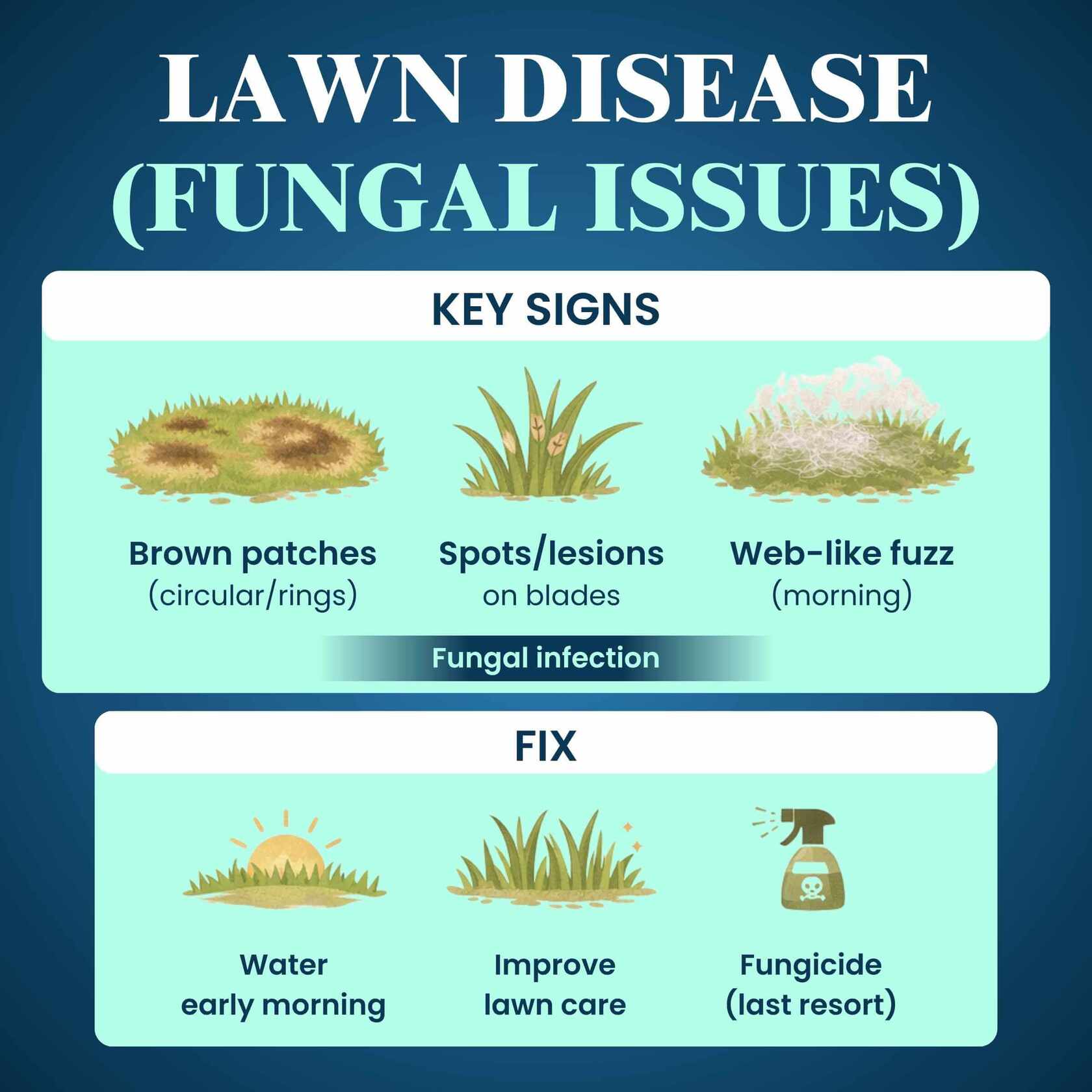
It affects a range of warm-season yards, consisting of tall fescue and perennial ryegrass, leading to big, circular patches of dead lawn that can be numerous feet in size.
Enhance drainage and boost air flow by aerating the soil. Using fungicides preventatively in high-risk areas can assist control break outs. Carrying out correct pest management practices is necessary to avoid the spread of this turfgrass illness. Susceptible grasses: Bermudagrass, Kentucky bluegrass, perennial ryegrass, tall fescue, ZoysiagrassSymptoms: Yellow-orange flecks on leaf blades that become rust-colored sporesCommon in damp conditions and particularly affects ryegrassYard Rust is a fungal yard disease that especially targets ryegrasses which causes grass blades to turn yellow-orange and establish rust-colored spores that can rub off on shoes or lawn devices.
While unpleasant and an annoyance, it is in fact not hazardous for your yard. Solution: Maintain correct mowing and watering practices. Avoid excessive shade and overwatering, as these conditions prefer rust development. Regularly remove grass clippings and other raw material accumulation to lower the spread of spores. Adequate fertilization motivates vigorous growth, assisting the yard recover.
If left unattended, it can progress to melting out, causing spots of dead lawn. Minimize nitrogen application and improve soil drainage to prevent fungal growth.
Prone turfs: Kentucky bluegrass, fine fescues, seasonal ryegrass, Bermudagrass, BentgrassSymptoms: White grainy finishing on turf bladesDevelops in high humidityPowdery Mildew is a fungal disease that appears as a white or gray grainy growth on lawn blades, frequently seen in shaded areas with bad air blood circulation. It is more widespread in cool-season yards throughout periods of high humidity.
Top Turf Pest Manual and Control Tips
Is Your Lawn Dying? Detect Pests Today
Weakening thick plantings and increasing sunshine exposure can reduce mildew seriousness. Applying fungicides might be needed in consistent cases. Making sure that vulnerable lawns get appropriate sunlight can help avoid this disease.

Latest Posts
How To Begin Your First Meeting With Amsterdam Dating Coaches
Lawn Blight Warning Signs and Quick Cures
Understanding the Signs of Diseases and Fungus