All Categories
Featured
Table of Contents
Glyphosate and 2,4-D are the active ingredients that have controlled the herbicide market in America. Glyphosate under the brand "Roundup" is by far the front-runner. Though the World Health Company (WHO) classifies glyphosate as a probable human carcinogen and 2,4-D as a possible human carcinogen, the U.S. Environmental Protection Firm, which controls herbicides, says they are fine when utilized as directed on the label.
We require to look at the truth of exposure pathways and not simply hide behind the expression "usage as directed." Products used to plants don't just expose the plant, even when applied as directed and when the person doing the application is using the required protective devices. There's going to be drift (substances carried somewhere else on air currents), there's going to be transfer (whose kid or pet dog doesn't roll around on the lawn?), and after that there's the possibility of mishap or misuse (the "oops" of a canine or toddler entering the wrong cabinet or a sprayer misfiring).
Johnson died in 2020, age 56, from non-Hodgkin Lymphoma. To date, Bayer has actually settled over 100,000 cases for around $11 billion, with 10s of thousands of claims still pending, though has not admitted to a link in between glyphosate and cancer.
2,4-D is found in numerous products and is under examination associated to endocrine interruption, reproductive issues, and certain cancers. Another player is dicamba, extensively utilized on soybean and cotton fields, and it frequently wanders far and wide to other fields and environments. The finest technique for controlling weeds depends on what the weeds are, where the weeds are, and how huge they are.
Strategies for Stopping Future Lawn Infections
There are quite a number of alternatives that work well without the side-effects, however there is not a one-size-fits-all option to weeds. The very best method for managing weeds depends upon what the weeds are, where the weeds are, and how big they are. I'm not going to beat around the weeds here: boiling water is my individual go-to approach for handling weeds in my paved patio area.
This recommendation is specifically for weeds that turn up through hardscaping, like driveways, pathways, patio areas, and other hard surface areas. It works best when weeds are under 8 tall. Here's the approach: Boil water in your kettle. You can likewise utilize surplus boiling water from cooking, however putting it in a pitcher of some sort is handy.
Douse the weeds with the boiling water. That's it. The next day, the weeds will be quite wilted. The following day they will have dried pretty thoroughly. In my experience, this desiccates the weeds completely and they do not grow back, though of course, in the excellent cycle of nature, there will be a new crop close by all prematurely.
Off, boiling water will kill any plant so it's not fantastic for yards or gardens where there are lots of plants you want to keep. Second, it will also harm soil life such as garden-friendly earthworms, so you do not wish to pour this on soil. Third, running around a field of waist high weeds with boiling water is logistically impractical.
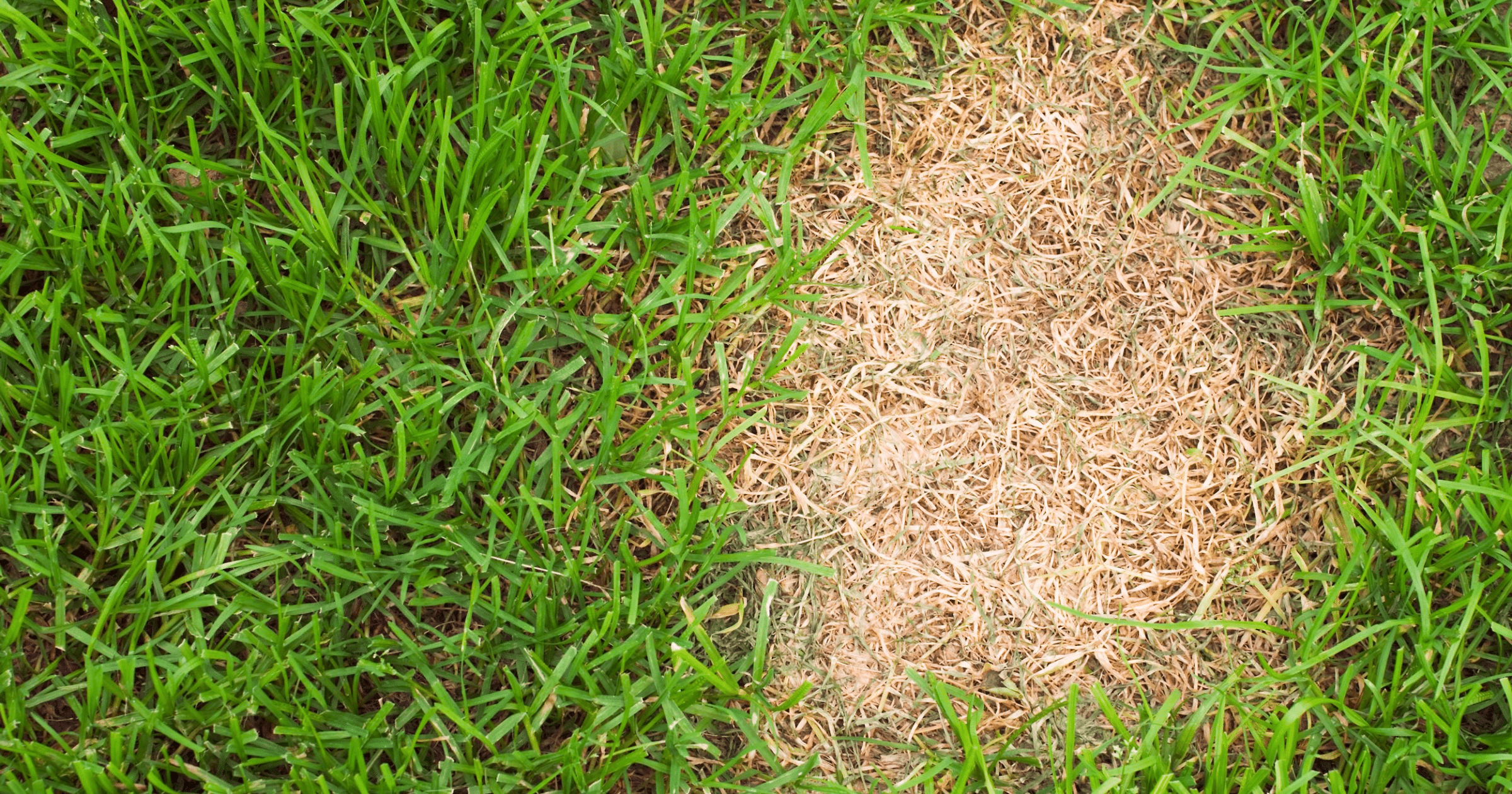
But if you have a patio area or a sidewalk with some weeds coming up through the fractures, this is a terrific technique. If you have an argument for why this doesn't work, tell that to my patio. Folks, I have actually checked out and attempted many, numerous other natural weed control approaches.
Eradicating Noxious Invasive Plants From Your Garden
My bluntness might be controversial, but I don't wish to mislead you on my opinion. Let me discuss my problems with them one by one. Vinegar is an acid. When you utilize it in your house, you need to make sure not to utilize it on specific surface areas such as stone or metal because it will dissolve or corrode them.
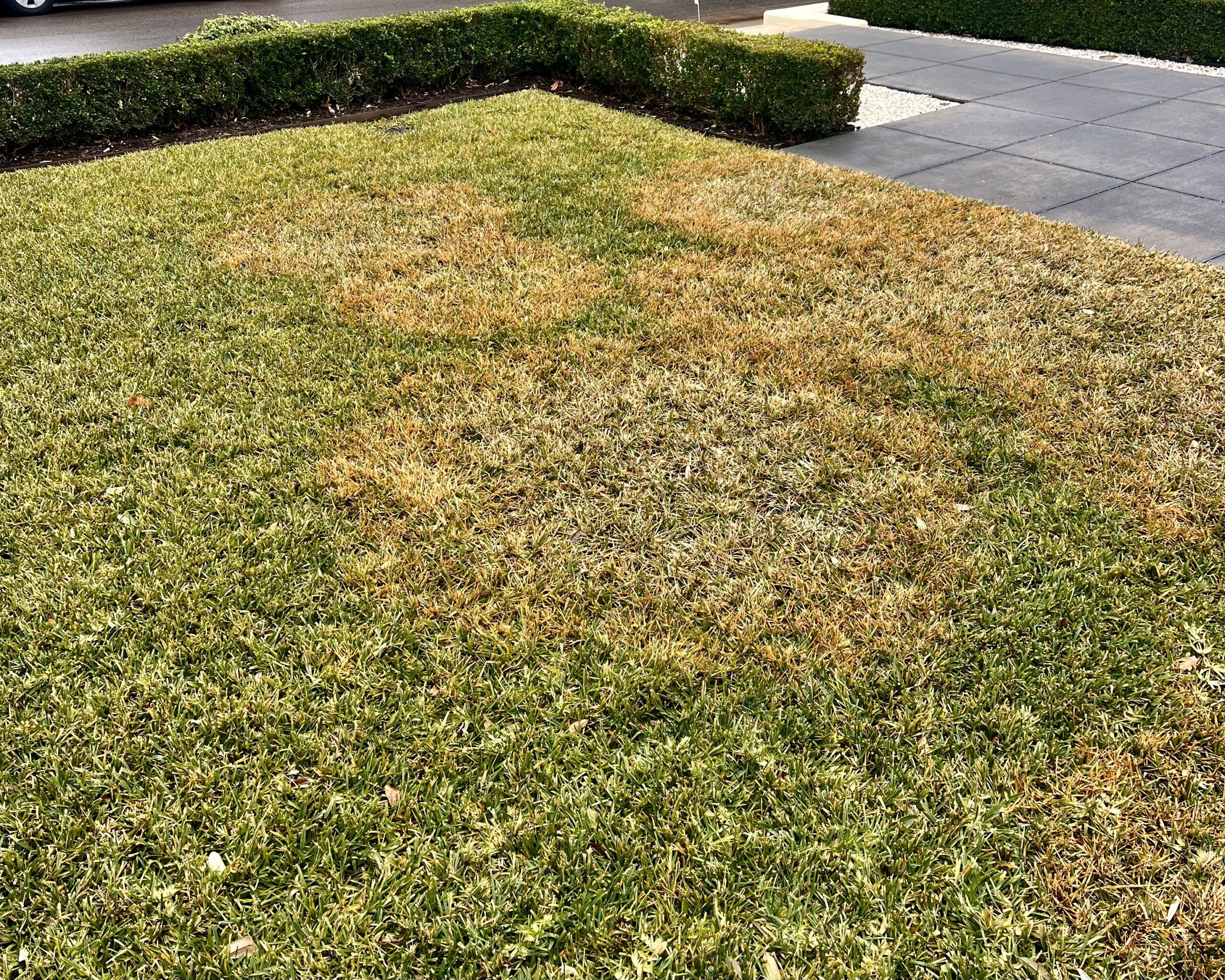
If you regularly apply vinegar to your stone outdoor patio, you will eventually see it using locations away. As far as effectiveness, kitchen strength vinegar (typically around 4-5% acidity) takes a couple of applications to affect the weeds. If you decide for the more intense cleansing vinegar or horticultural vinegar, where the acidity can soar as high as 49%, this will certainly eliminate the weeds, but you require as much individual protective devices as you would with glyphosate, and any splash on stone or cement will most certainly engrave it.
It can also impact the pH of soil. Applied straight to weed leaves, baking soda might impact some by drying them out. Nevertheless, the minerals in baking soda, which are salts, can alter the soil chemistry and impact the growth of preferable plants that you might wish to include to the same area.

Latest Posts
How To Begin Your First Meeting With Amsterdam Dating Coaches
Lawn Blight Warning Signs and Quick Cures
Understanding the Signs of Diseases and Fungus