All Categories
Featured
, are gray-white with brown heads. These gray pests are so called because they have lacelike wing covers. Lace bugs suck the sap from the undersides of fruit and ornamental tree leaves, leaving the upper sides mottled with tiny, light-gray spots.
The Intersection of Science and Grass Type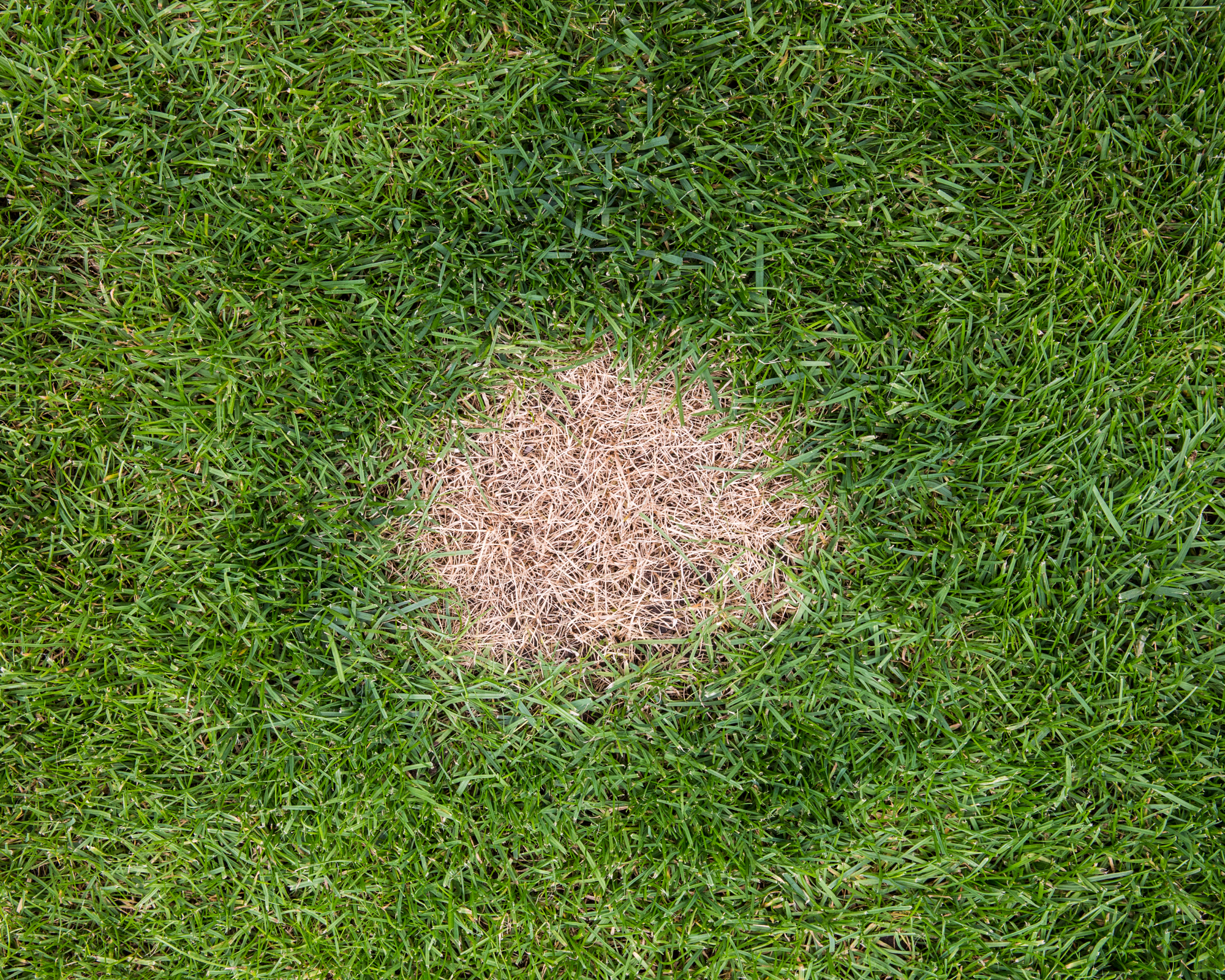
Find out more about controlling lace bugs. Flying or jumping when disturbed, these little, thin, wedge-shaped bugs come in tones of green, brown and yellow, depending on the types. Leafhoppers eat a variety of edible and decorative plants and cause leaves to lose color, turn brown and become stippled. They also leave behind black excrement.
Copper in color, Mexican bean beetles have eight black spots on each wing cover. They skeletonize the leaves of beans (their preferred hosts), in addition to black-eyed peas, soybeans, cowpeas, mung beans, alfalfa and clover. The larvae are light yellow with a spiny look; the eggs are also yellow and discovered in clusters on leaves.
The Intersection of Science and Grass TypeEffective Methods to Remove Garden Weeds
Circular insects, scales are found on the stems of plants and the underside of leaves, and they frequently look like a part of the plant. The protective scale-like covering of these insects might be hard and armor-like or soft and cottony. Scales suck plant sap, developing honeydew and drawing in ants, which protect the scales from predators and need treatment.

Latest Posts
How To Begin Your First Meeting With Amsterdam Dating Coaches
Lawn Blight Warning Signs and Quick Cures
Understanding the Signs of Diseases and Fungus