All Categories
Featured
Table of Contents
Clusters of beetles with starved appetites can do substantial damage, causing the chewed leaves and petals to eventually fall from the plant. The simplest and cheapest method to manage the beetles is to knock them into a pail of soapy water. A great time to do this remains in the early morning when the beetles are slow to move.
Aphid-infested leaves and stems typically ended up being yellow, distorted, or curled. Heavy aphid infestations slowly deteriorate a plant and can trigger stunted and misshaped development.
Knock aphids off the plant with a spray from the hose pipe. They also can be controlled with insecticidal soap, which must be sprayed directly on the insects to be effective. As with all items, thoroughly follow the label information for safety and usage. Even "organic" or "natural" products can be misused.
They blend in well with their surroundings and frequently look like leaves or sticks. They get their name from the way they hold their front legs together as if in prayer. In the fall, the females transfer their eggs in a mass of foam that solidifies into an egg case and looks like a tiny beehive.
Protecting Your Gardens Against New 2026 Diseases
Each case holds up to 400 mantids that emerge in June. They are among the most efficient bug-eating makers for the garden. Composed by Nina Koziol, garden writer and horticulturist who lives and gardens in Palos Park, Illinois.
If you have plants, you will more than most likely experience some concerns with them. We have actually put together over 200 typical plant-related problems that we discover at the Kemper Center for Home Gardening based upon what home gardeners experience. Many of these concerns can be experienced worldwide, but are developed with the Midwest in mind.
Suggestions utilizing chemical pesticides, though not left out in an integrated pest management approach, typically appear lower down in the list of advised techniques. Strictly natural strategies are explained. This is the same technique we use with visitors to our walk-in Plant Doctor service located in the Kemper Center for Home Gardening in addition to with callers to our phone-in Horticultural Answer Service.
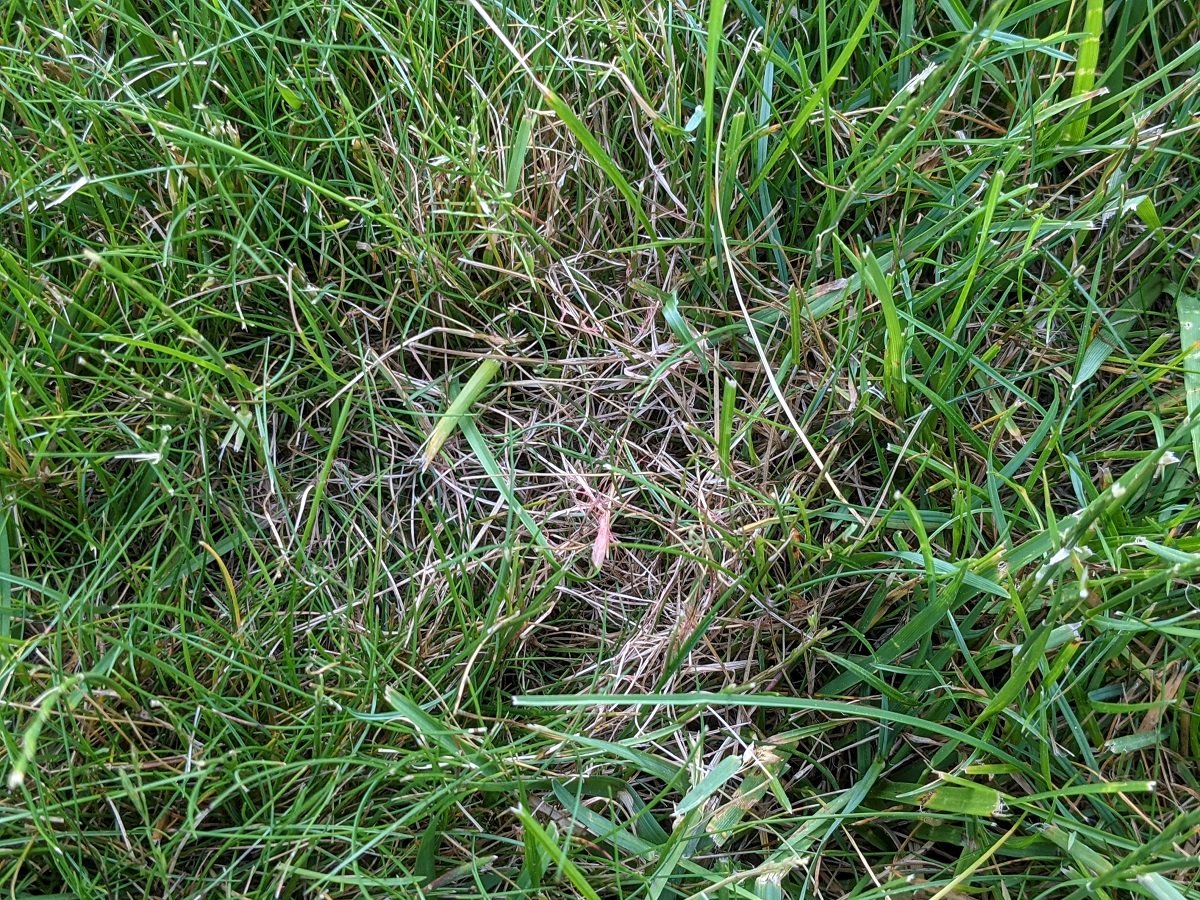
It's late June here in Central Virginia, and all of us have actually done a lot of new planting of shrubs, trees, annuals, vegetables, and perennials. In doing all this planting, what we did was to set out the very best array of food for numerous insects. The BIG concern is "how do I inform what's consuming my plants"? Over the previous number of weeks, I can't tell you how many people have actually entered the garden center with samples or images of leaves, that, "something is going on".
I say bad since not all insects are bad. We have a lot of useful pests this time of year.
Key Solutions for Better Pest Management
Without this understanding, you might buy the wrong control product and not solve the issue, and, at the same time, trigger more damage to the plant. This is what I am seeing most with the samples, specifically chewed leaves from rose bushes. A chewing pest is any bug that has teeth.
Wearing pests are mites, snails, slugs, and thrips. They will scrape off the surface area of the leaves. They draw up the fluids from the leading layer up until all the green tissue has actually been eaten, leaving just the skeleton of the leaf behind. The most common drawing pests are the aphids, scale, and whiteflies.
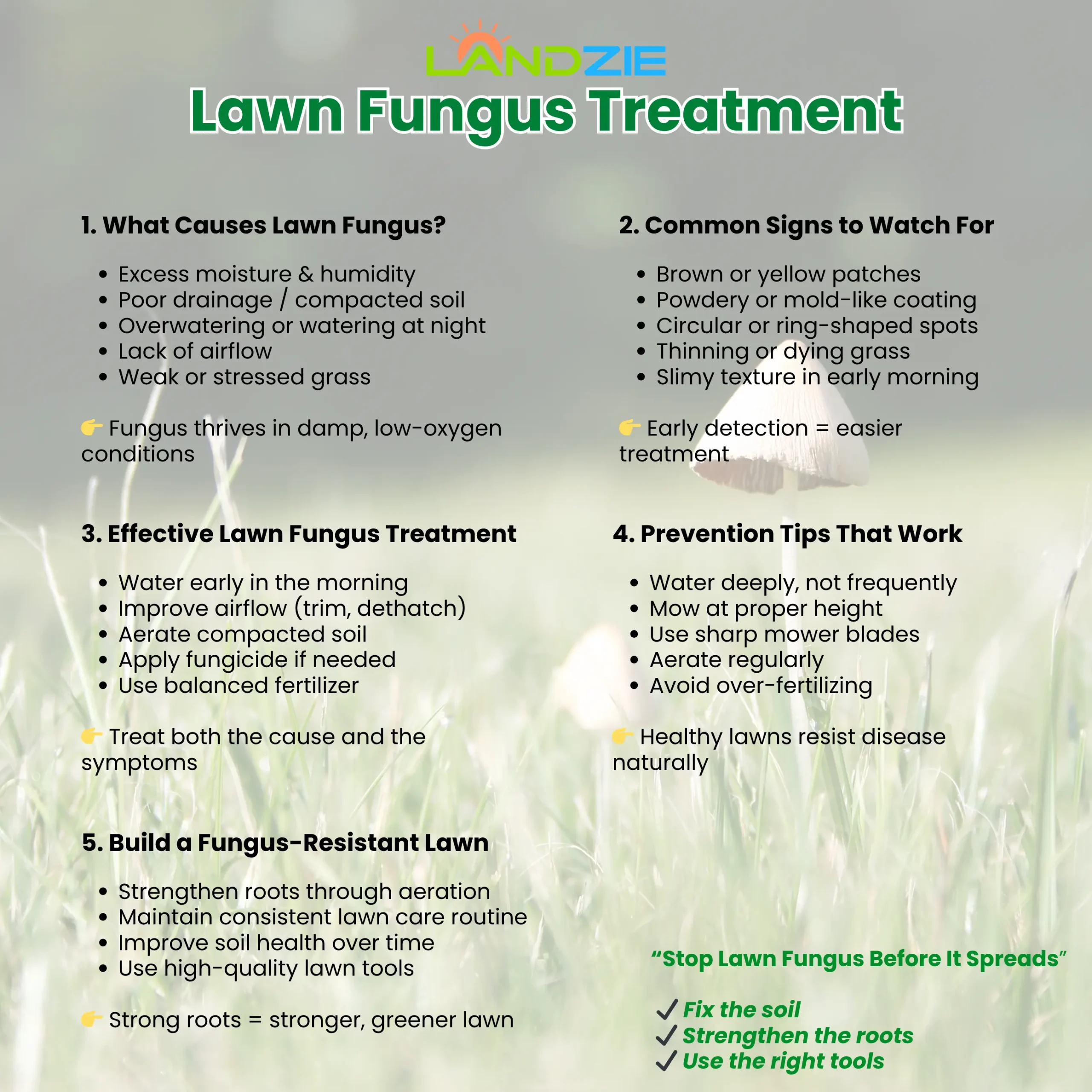
A big population of aphids or whiteflies can cause leaf curling, yellowing, or distorted leaves. Most sucking insects also produce large quantities of a sticky substance known as honeydew, which typically turns black with the development of a sooty mold fungus. The gardening trend today is to try not to utilize any pesticides on plants in order to safeguard our advantageous bugs, bees, and so on.
Diatomaceous earth spread on the ground around plants works well. Vinegar and water spray make an excellent pest control spray. And, do not forget how efficient a soapy water bath can be to control bugs on plants.
Natural Methods to Get Rid of Lawn Plants
Scroll Up This website uses cookies to improve your experience. Privacy & Cookies Policy

Latest Posts
How To Begin Your First Meeting With Amsterdam Dating Coaches
Lawn Blight Warning Signs and Quick Cures
Understanding the Signs of Diseases and Fungus