All Categories
Featured
Table of Contents
Credit: Adapted from Schwankl, L. J., D. A. Shaw, M. A. Harivandi, and R. L. Snyder. The very best time to water is early in the morning, when evaporation rates are lowest and water pressure is at its peak. Irrigating in the afternoon is inefficient because of higher evaporation rates; also, extended moist conditions at night can encourage disease advancement.
Reset your sprinkler system to satisfy your yard's altering irrigation needs. Applying the proper amount of fertilizer is an important element of keeping a healthy, dense yard with great illness resistance.
Alternatively, lawns grown under nitrogen-deficient conditions are susceptible to dollar area, rust, and red thread illness. For moderate, even growth, use a total of 4 to 6 pounds of real nitrogen per 1,000 square feet of yard location every year.
Fertilizer should be used throughout the active growing season of the yard, which usually is throughout spring and summertime for warm-season yards and throughout fall and spring for cool-season yards. Maintaining a lawn at the advised mowing height will enhance its ability to withstand illness and give it higher visual appeal.
What Diseases Are Damaging Your Lawn?
Yards must be cut often enough so that no more than one-third the length of the turf blade is gotten rid of at any time. Removing excessive of the turf blade can increase the vulnerability to several illness by depleting food reserves in the plant, making it tough for the plant to recover from tension and injury.
Grasscycling hasn't been found to substantially increase thatch or illness occurrence. Soil compaction decreases root development as well as recuperative capability, hence increasing a lawn's relative susceptibility to diseases.
Growing needs to be done during times when the yard is growing intensely and can benefit from the decrease in soil compaction (spring and fall for cool-season turf and early summer season for warm-season lawn). Thatch is a partly decayed layer consisted of roots, stems, rhizomes, crowns, and stolons above the soil surface.
Why Mosquito Control Is Required for Dollar SpotHealing Fungal Grass Fast
Thatch layers higher than 1/2 inch ought to be removed to prevent limiting water entry into the root zone. A number of turfgrass pathogens can make it through in the thatch layer, consisting of those that trigger summertime spot, leaf area, and melting-out illness.
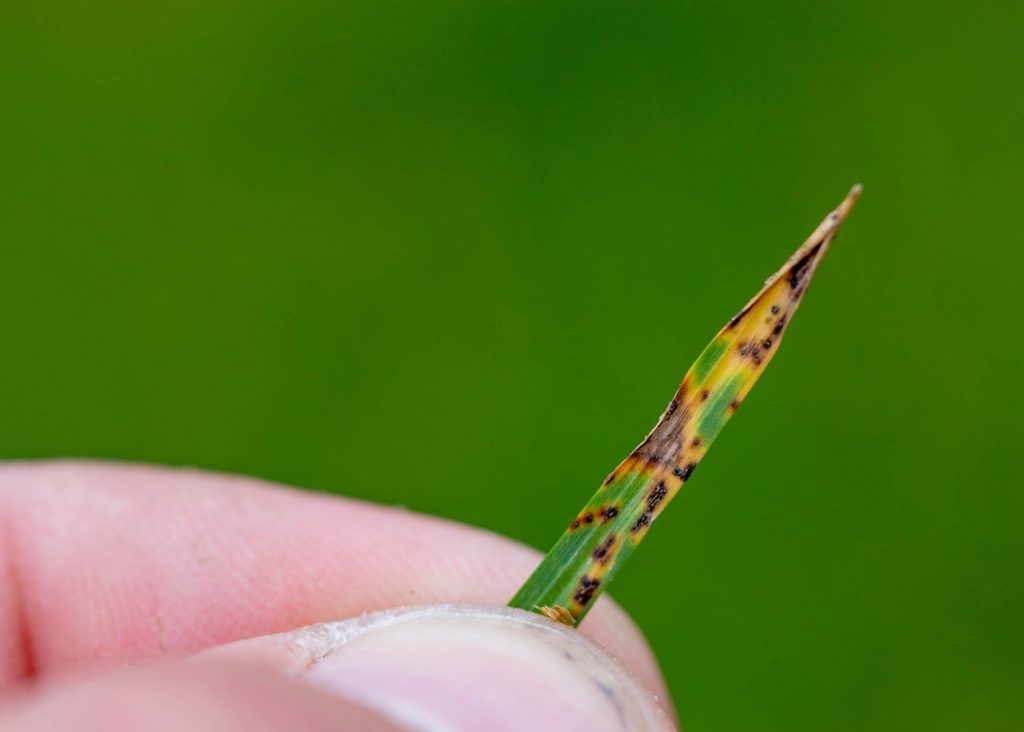
The UC Guide to Healthy Yards provides extra details on how to choose turfgrass types in addition to how to irrigate, fertilize, and manage your lawn to prevent illness. When an illness break out in a home yard is suspected, the very best course of action might be to seek the expert services of a plant disease diagnostic laboratory.
Contact a nursery or your local UC Cooperative Extension office for a list of diagnostic labs. An accurate medical diagnosis depends upon the quality of the sample submitted, so the method a sample is taken is essential. Collect entire grass plant samplesleaves, stems, roots, and soilfrom numerous lawn locations that appear to show different stages of the observed signs.
Bear in mind that the pathogen isn't always active in the part of the lawn plant exhibiting disease signs, so be sure to consist of the whole plant. Symptoms observed in the foliage such as chlorosis (yellowing) or wilting could be associated with a vascular wilt or a root rot. Likewise, take samples from plants simply starting to show symptoms; often dead grass will be overrun with secondary fungi and germs that might be decaying the dead turf, making precise diagnosis tough.
Don't allow roots to dry out. Connect a written description of the type of yard and signs you observed.
Treating Fungal Lawn Fast
UCANR Publication 8006. Harivandi A, VA Gibeault, MJ Henry, L Wu, PM Geisel, CL Unruh. UCANR Publication 8035.
Wong F, MA Harivandi. UCANR Publication 3365-T. (emeritus), UC Cooperative Extension Alameda County.
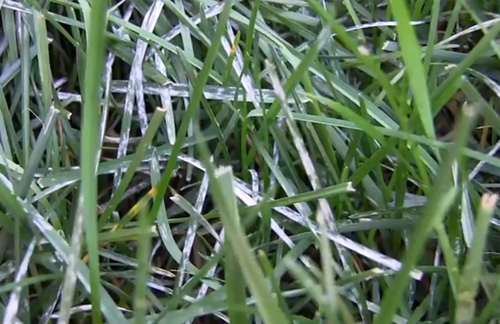
It affects a variety of warm-season yards, consisting of high fescue and perennial ryegrass, leading to large, circular patches of dead turf that can be a number of feet in size.
Identifying Frequent Garden Insects Today
Improve drain and increase air blood circulation by aerating the soil. Applying fungicides preventatively in high-risk areas can help manage outbreaks. Carrying out correct pest management practices is important to avoid the spread of this turfgrass disease.
While unsightly and a problem, it is in fact not damaging for your lawn. Service: Maintain proper mowing and watering practices. Avoid excessive shade and overwatering, as these conditions prefer rust advancement. Routinely eliminate grass clippings and other raw material buildup to reduce the spread of spores. Sufficient fertilization encourages vigorous development, assisting the yard recuperate.
Conditions that prefer its development consist of cool, damp weather condition followed by warm temperature levels. If left unattended, it can progress to melting out, triggering patches of dead turf. Service: Change watering and trimming practices to avoid excess moisture on leaves. Decrease nitrogen application and enhance soil drain to dissuade fungal development.
How to Identify and Treat Lawn Diseases
It is more common in cool-season yards throughout periods of high humidity.
Weakening dense plantings and increasing sunshine direct exposure can lower mildew severity. Applying fungicides might be required in consistent cases. Ensuring that vulnerable grasses get sufficient sunlight can help prevent this illness.

Latest Posts
How To Begin Your First Meeting With Amsterdam Dating Coaches
Lawn Blight Warning Signs and Quick Cures
Understanding the Signs of Diseases and Fungus